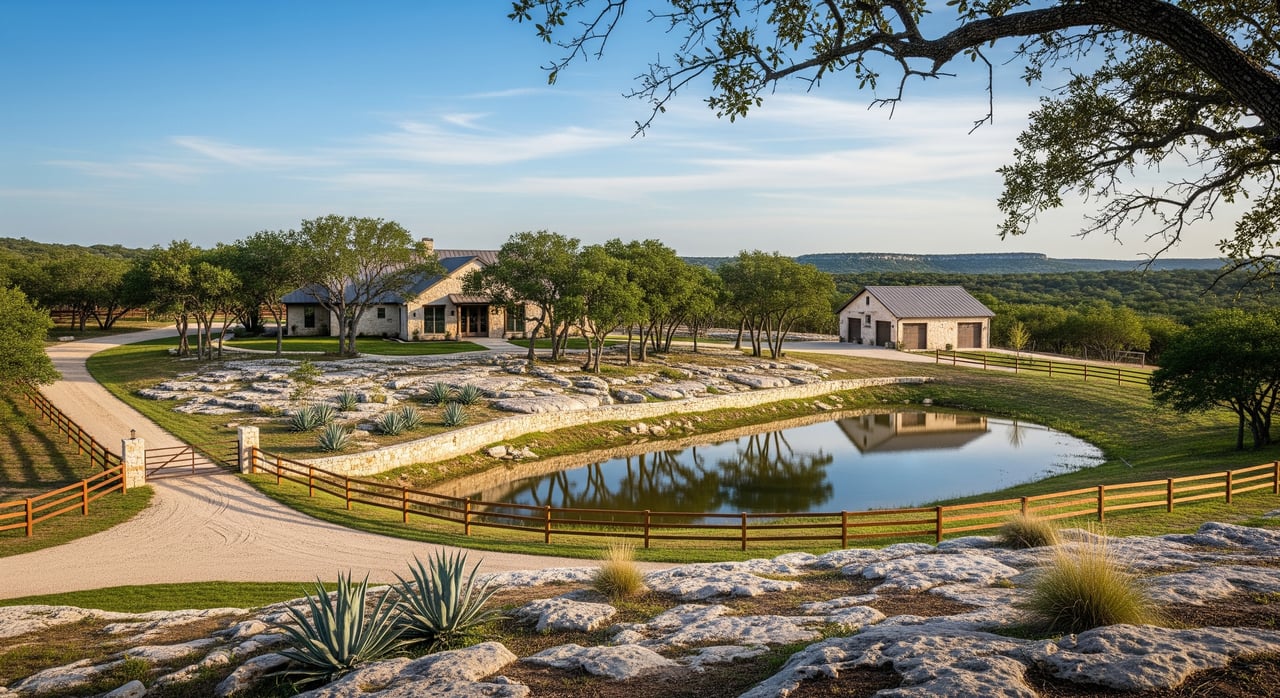
Thinking about buying acreage around Boerne? The Hill Country offers big views and privacy, but land deals can be tricky. You want to know what you can build, how you’ll access the property, and whether the water and soils will support your plans. This guide walks you through a practical due diligence checklist tailored to Boerne and Kendall County so you can make a confident offer and avoid costly surprises. Let’s dive in.
How to use this checklist
Use this as your step-by-step plan from first drive-by to closing. The key is to verify essentials early and bring in the right specialists during your option period.
- Pre-offer: Confirm access, general utilities, and basic jurisdiction. If anything is uncertain, make your offer subject to verification.
- Option period: Order surveys, title work, well and septic evaluations, and any environmental checks.
- Pre-closing: Clear title exceptions, finalize easements, and align timelines with your survey and permits.
Surveys and plats: confirm boundaries
A current survey anchors your entire purchase. Fences often do not match the true property lines.
What to verify
- Survey type and recency: boundary, improvement, or ALTA/NSPS if a lender will require it.
- That deed acreage matches survey acreage and that all corners are marked.
- Recorded plats, replats, and any lot combinations that affect boundaries or access.
Documents to request
- Signed and stamped survey, current if available.
- Recorded deed and legal description.
- Latest plats and any easement documents listed in the title commitment.
When to act
- Order a new boundary or ALTA survey during the option period if there is any doubt or if the lender requires it.
Why it matters: A proper survey reveals encroachments, easements, and floodplain notes that can shape your building envelope, fencing, and financing.
Access and easements: secure legal entry
Great land without legal, usable access can be unsellable. Confirm how you reach the property and who pays to maintain that road or easement.
What to verify
- Access type: public county road, private road inside the tract, or access across a neighbor by recorded easement.
- Maintenance obligations for private roads or easements, including gates and locks.
- That the easement grants both vehicle and utility access if needed.
Documents to request
- Recorded easements and any road maintenance agreements.
- County road maps showing whether the road is county maintained or private.
When to act
- Nail this down before you submit an offer if access is unclear. Make your offer contingent on obtaining a recorded access and maintenance agreement if needed.
Water: wells, surface water, and rules
In the Hill Country, water is everything. A simple “there’s a well” is not enough. You need to understand yield, quality, and any rules that govern pumping.
What to verify
- Well details: location, depth, yield, pump test results, and water quality lab results for bacteria, nitrates, and total dissolved solids.
- Surface water features: ponds and creeks, flood behavior, and whether any pond is shared or has a maintenance agreement.
- Groundwater governance: identify the local Groundwater Conservation District and confirm if drilling or pumping requires registration or permits.
Documents and checks
- Well log and permit records, plus recent pump test and lab results.
- Historical usage data if the well served irrigation or livestock.
- Regional groundwater maps and data through the Texas Water Development Board. You can review groundwater information using the TWDB’s resources on groundwater data and well reports.
When to act
- Order water quality testing and a pump test during your option period. If no well exists, consult a licensed driller early on siting and feasibility.
Septic, soils, and site suitability
Most acreage in and around Boerne relies on septic. Shallow limestone and karst common to the Hill Country can limit standard systems.
What to verify
- Soil type and depth to bedrock, septic setbacks from wells and water bodies, and drainage patterns.
- Floodplain exposure using FEMA maps.
- Slopes, rock outcrops, and any karst features that could affect foundations or septic.
Documents and checks
- Soil reports from the USDA NRCS Web Soil Survey. View soils and septic suitability on the NRCS Web Soil Survey.
- County septic requirements and a perc or soil profile by a qualified professional.
- FEMA Flood Insurance Rate Maps from the FEMA Flood Map Service Center.
When to act
- Get perc and soil evaluations during the option period. Consider a geotechnical review if you see shallow rock or karst features.
Land use, permitting, and rules
Your property may fall under City of Boerne rules or unincorporated Kendall County rules. The difference affects zoning, permits, and timelines.
What to verify
- Jurisdiction and required permits for driveways, septic, building, and subdivision.
- Recorded deed restrictions, subdivision covenants, or HOA rules.
- Any conservation easements or agricultural valuations that could trigger rollback taxes if you change the use.
Documents and checks
- Call or visit the appropriate city or county planning office to confirm setbacks and permit steps.
- Review recorded covenants and restrictions from the title commitment.
When to act
- Confirm jurisdiction and rules before you write the offer. If you plan to develop or subdivide, get timelines and application requirements early.
Utilities and emergency services
Utility extensions and response times can affect both your budget and insurance.
What to verify
- Electric availability and where the nearest transformer or line is located.
- Internet options such as fixed wireless or fiber availability.
- Propane or natural gas options.
- Nearest fire protection, typical response times, and ISO rating that can affect insurance pricing.
Documents and checks
- Written quotes from local utilities for extensions or service drops.
- Fire district information from local emergency services.
When to act
- If you need grid power or broadband, verify availability and get quotes before you make an offer.
Title, minerals, and pipelines
In Texas, mineral rights are often separate from the surface. Those rights can include drilling and access that affect how you use your land.
What to verify
- Title commitment and all exceptions, including liens and easements.
- Whether minerals are severed and if there are any active oil or gas leases.
- Recorded pipeline easements, as well as any wind or solar leases.
Documents and checks
- Full title commitment and exception schedules, with legal counsel as needed.
- Oil and gas well and pipeline records with the Texas Railroad Commission. You can search statewide records using the RRC online GIS tools.
When to act
- Order title work early in the option period. If minerals or pipelines are a concern, have a title attorney review exceptions and maps.
Environmental and wildlife checks
Avoid surprises tied to prior uses or sensitive habitats.
What to verify
- Past fuel storage, chemical use, or industrial activities that may require an environmental review.
- Potential wetlands or jurisdictional waters if you intend to alter ponds or creeks.
- Any listed species or habitats that could restrict clearing or construction.
Documents and checks
- Consider a Phase I Environmental Site Assessment if history suggests risk.
- Review wildlife and habitat information from the US Fish & Wildlife Service.
When to act
- Order environmental reviews during the option period if you suspect contamination or ecological constraints.
Timeline and smart contingencies
Set up your contract timeline to protect your budget and plans.
Pre-offer
- Drive by to confirm physical access and basic topography.
- Check county appraisal and deed records to verify ownership and parcel shape.
- If access or utilities are uncertain, include a short verification contingency in your offer.
Option period
- Order your survey and obtain the title commitment.
- Schedule well pump testing and water quality lab work.
- Conduct perc or soil profile testing for septic feasibility.
- Order a Phase I ESA if property history raises flags.
- Verify electric and internet availability and get written extension quotes.
- Confirm any ag valuation and possible rollback exposure.
Pre-closing
- Resolve title exceptions and secure any easement or maintenance agreements in writing.
- Align closing with delivery of the survey, permits, and any addenda.
Red flags that deserve a pause
Watch for issues that may demand renegotiation, more time, or a pass.
- No recorded legal access or reliance on an informal arrangement.
- Severed mineral rights with active leases or surface-use allowances.
- Poor or undocumented water supply, low well yield, or failed water quality tests.
- Karst or very shallow limestone that limits septic and safe construction.
- Large, unresolved title exceptions or liens.
- Environmental concerns identified by a Phase I ESA.
- Location within a heavily regulated recharge zone or critical habitat area.
- Utility extensions that exceed the project budget.
Specialists to hire and when
A strong option period team keeps you on schedule and protects your interests.
- Licensed land surveyor: stake corners, show easements and improvements. Order early in your option period, especially if you need ALTA.
- Title company and real estate attorney: review title exceptions and draft easements or maintenance agreements when needed.
- Licensed well driller or hydrogeologist: evaluate well yield, quality, and siting if drilling.
- Soil scientist or septic designer: run perc or soil profiles and design an OSSF that meets county rules.
- Geotechnical engineer: advise on foundations where slopes, karst, or shallow bedrock are present.
- Environmental consultant: complete a Phase I ESA if prior uses suggest risk.
- Civil or site engineer and land planner: plan driveways, drainage, building envelopes, and permits for development or subdivision.
- Wildlife or endangered species biologist: advise on habitat considerations for large tracts.
Local resources to start your research
Link to official tools and agencies to confirm site constraints and plan next steps.
Ready to walk a Boerne tract with a clear plan? As a boutique, owner-led Hill Country brokerage, we blend hands-on service with practical land expertise so you can move from offer to closing with confidence. If you want a second set of eyes on a survey, easement language, or a septic plan, connect with Boyd Realty Group for personalized guidance.
FAQs
What should Boerne land buyers verify before making an offer?
- Confirm legal access, review an up-to-date survey, obtain a title commitment, and check water, septic feasibility, utilities, and floodplain exposure during your option period.
How do I check if a Kendall County property sits in a flood zone?
- Use the FEMA Flood Map Service Center to locate your parcel and review Flood Insurance Rate Maps, then discuss site-specific drainage with a surveyor or engineer.
What well tests are recommended for Hill Country acreage?
- Request a pump test for yield and a water quality lab analysis for bacteria, nitrates, and total dissolved solids, and review any available well logs and permits.
Do Texas mineral rights affect how I can use my land?
- Yes. Minerals may be owned separately from the surface and can grant significant surface-use rights; review the title commitment and consult a title attorney if needed.
How can I tell if soils will support a septic system near Boerne?
- Have a qualified professional perform a perc test or soil profile and compare findings with county OSSF requirements, using NRCS soils data for early screening.
When should I bring in specialists during due diligence?
- Hire your surveyor, well professional, septic designer, and title counsel early in the option period so their findings can inform negotiations and contingency decisions.